Consistent delivery delays
Late parts cause line downtime, missed deadlines, expedited shipping costs, and inventory strain. Occasional delays happen — but when "unforeseen issues" become monthly, reliability is declining.
Action step: Track delivery performance over 6 months. If on-time delivery falls below 95%, start evaluating backup sources.
Quality inconsistency
Extrusion requires tight tolerances. Dimensional variation, material inconsistency, surface defects, and handling damage all signal trouble. One bad batch is excusable; 100% inspection on every shipment is not.
Action step: Document reject rates and tighten incoming inspection. If issues persist, your supplier's process control needs scrutiny.
Communication breakdowns
Good suppliers are proactive. Unreturned calls, vague order status, no advance notice of delays, and hard-to-reach reps are red flags. When you spend more time chasing updates than discussing new projects, the relationship has shifted to a burden.
Action step: Note response times and information quality. If you're consistently in the dark about your own orders, communication has failed.
Capacity constraints limiting growth
Your business is growing but your supplier can't keep up — they can't accommodate volume increases, lead times extend, and they decline new development work. When you change production plans because of supplier limits, your growth is being capped.
Action step: Share your 12–24 month growth projections. If they can't commit to supporting that growth, find partners who can.
Rising costs without added value
Price increases are normal — they should come with explanations and added value. Frequent unjustified hikes, surprise fees, declining service, and no investment in new capability mean the value proposition has eroded.
Action step: Run a total-cost analysis including quality issues, downtime, and admin burden. The "cheapest" supplier often costs the most in hidden expenses.
The Custom Profiles difference
We've worked with dozens of manufacturers who switched to us after their previous suppliers let them down. We built our reputation on reliability — a 98.7% on-time delivery rate backed by conservative scheduling, multiple extrusion lines, and proactive communication. Our engineering team reviews every new profile for manufacturability, material selection, tolerance optimization, and cost reduction.
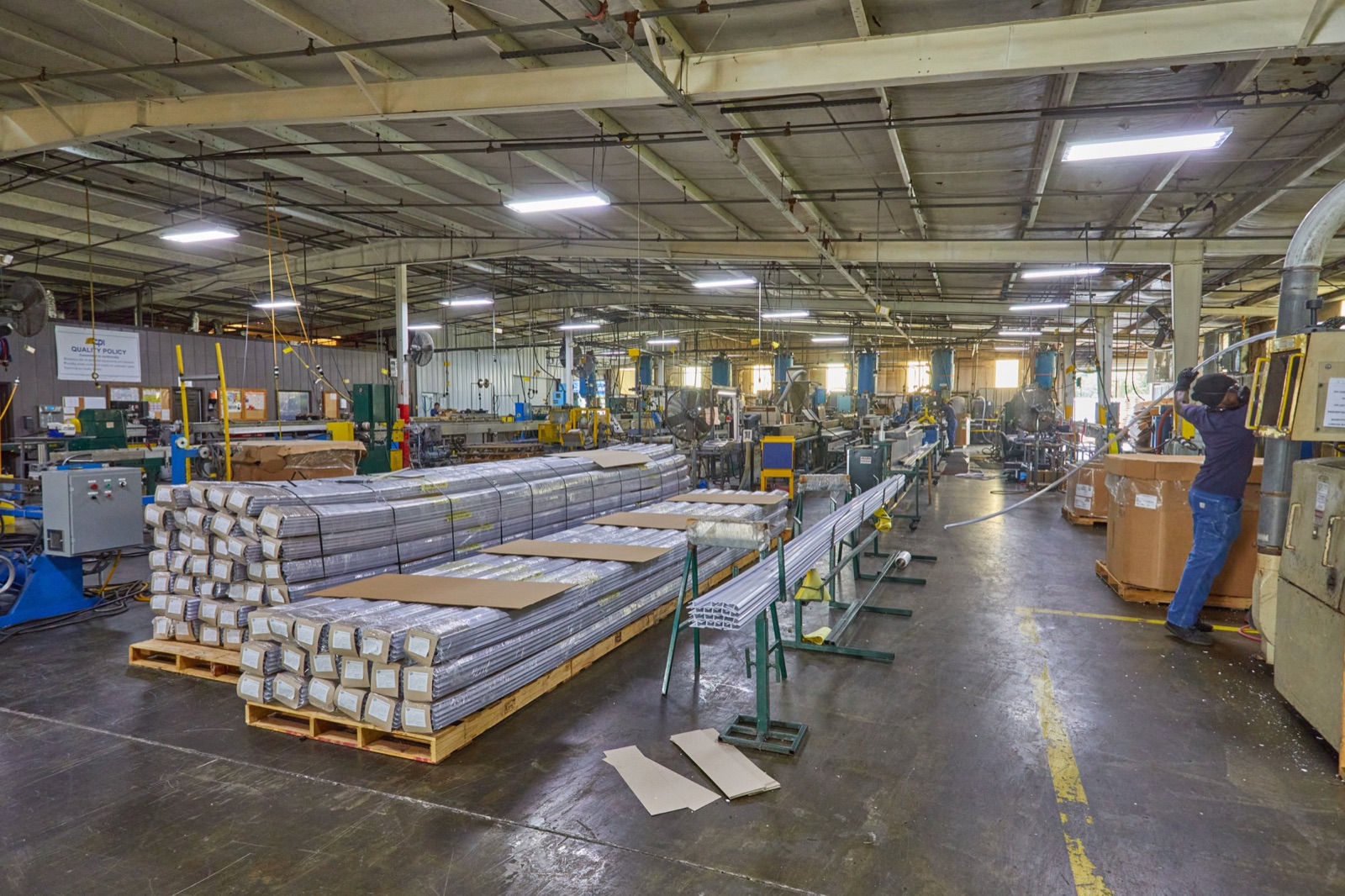
With 50,000+ square feet of production space in Fitzgerald, Georgia, and extrusion lines up to 12 inches wide, we have the capacity to scale with you — not cap your growth.
Your extrusion supplier should be a growth enabler, not a constraint.
How to evaluate an alternative supplier
- Define your non-negotiables — delivery reliability, technical support, or cost stability. Know your priorities first.
- Request samples from existing tooling and test them in your assembly process.
- Visit the facility — seeing operations firsthand reveals quality systems and culture.
- Check references — ask for 2–3 current customers in similar industries.
- Start small with a non-critical component before committing major business.
If you're experiencing persistent delivery issues, quality problems, communication breakdowns, capacity constraints, or unjustified cost increases, it's time to evaluate alternatives. Our team is glad to have a confidential conversation about your requirements.